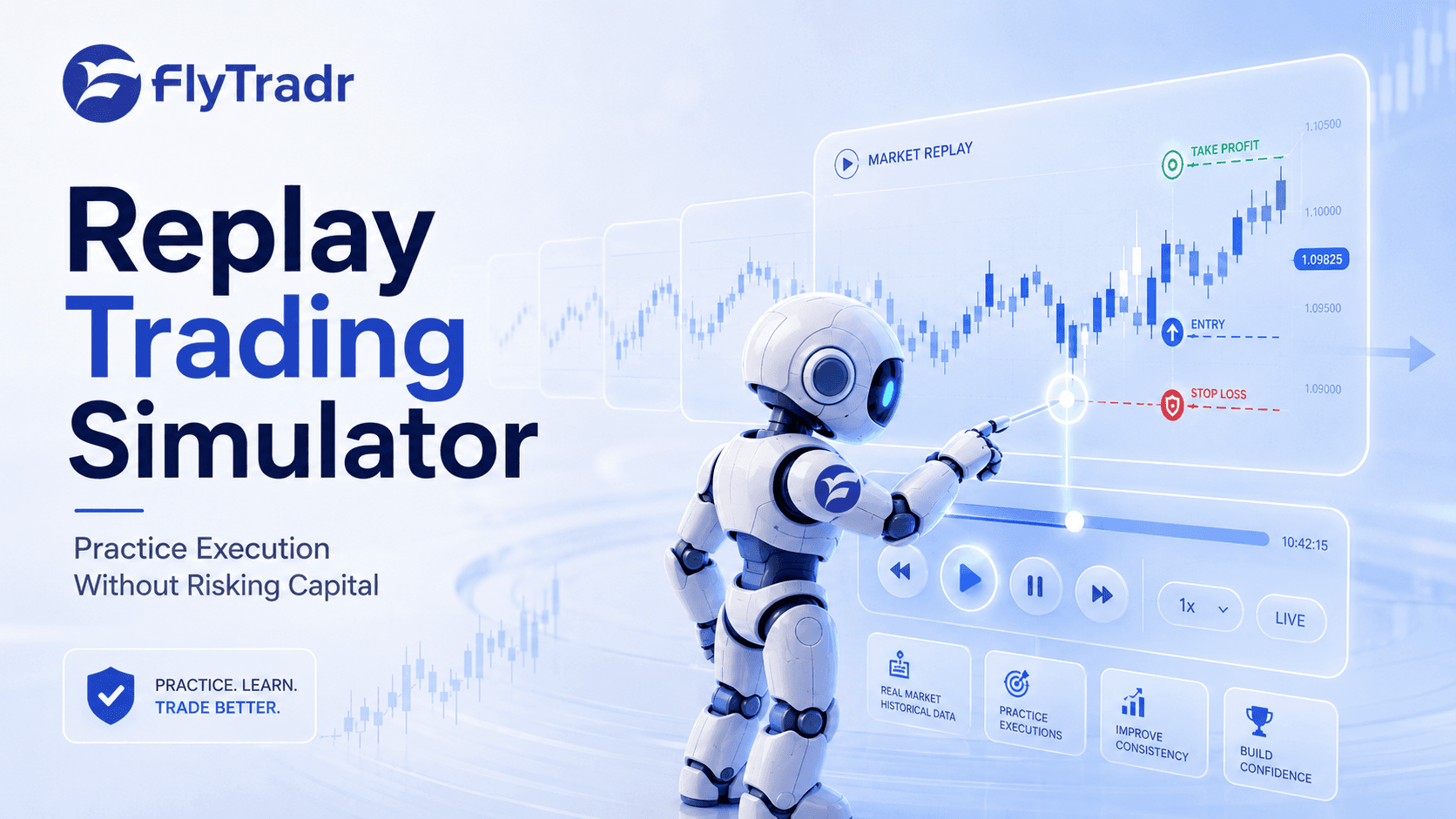
Replay Trading Simulator: How to practice execution without risking capital
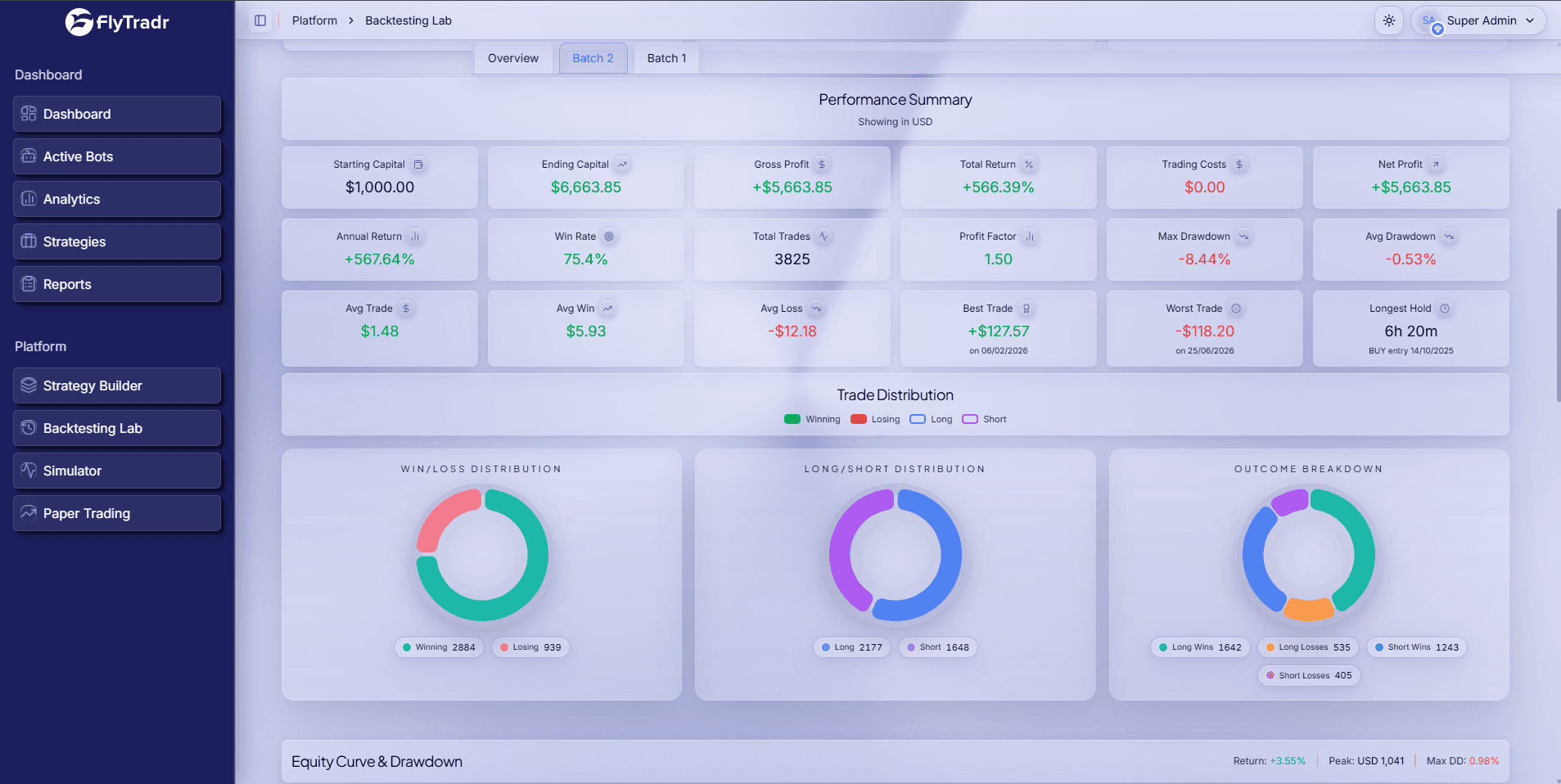
Backtests show metrics. Simulators show behaviour. Learn how market replay helps you understand how strategies actually trade before you deploy them live.

Practical guides for retail traders learning no-code algorithmic trading: backtesting, simulation, paper trading, execution realism, and workflow design.

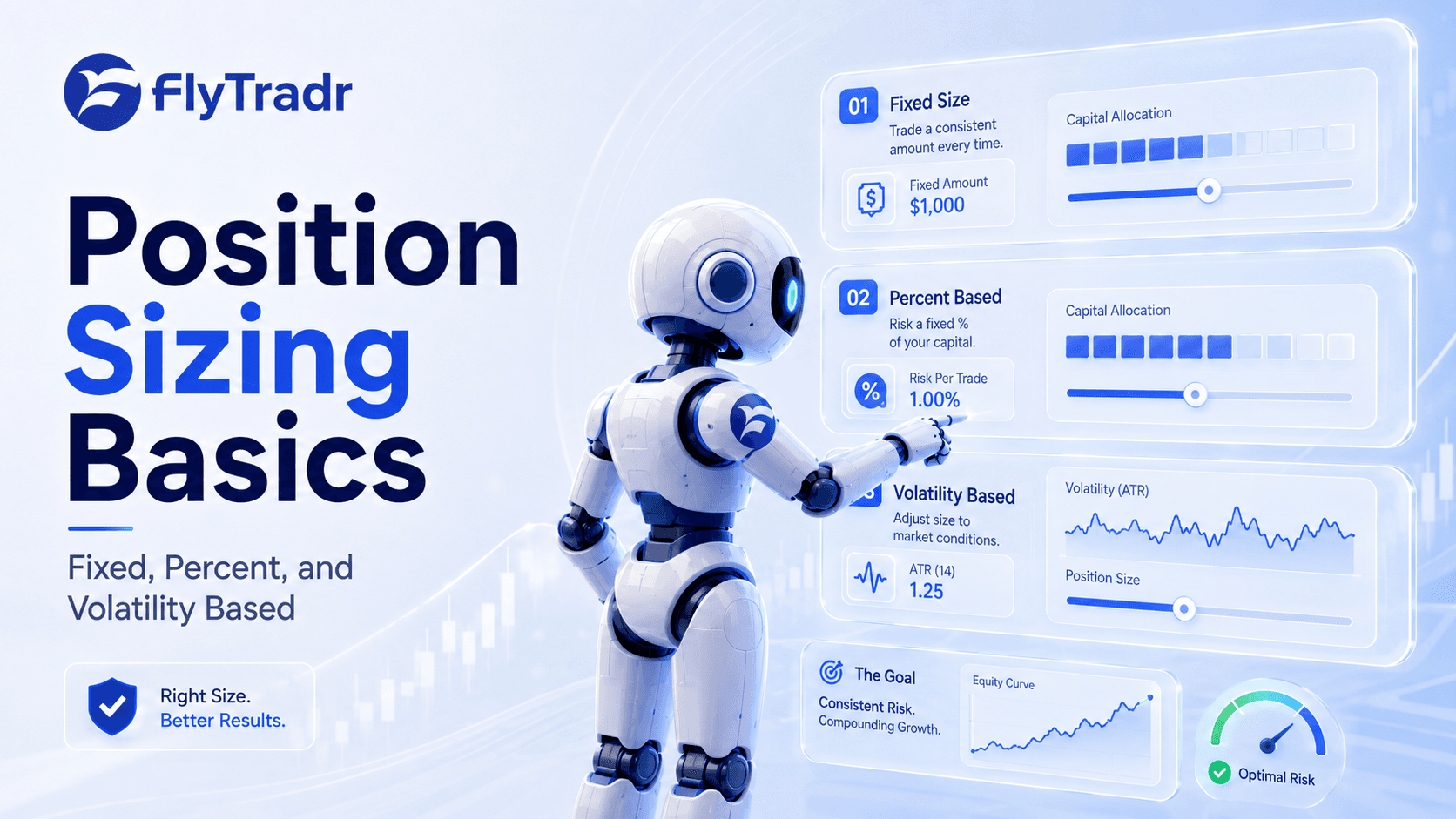
Fixed percentage stops treat every trade the same regardless of how volatile the market is. ATR-based position sizing adjusts your risk to match the actual volatility of each instrument, giving you a more consistent risk profile across different markets and conditions.


Backtests show metrics. Simulators show behaviour. Learn how market replay helps you understand how strategies actually trade before you deploy them live.


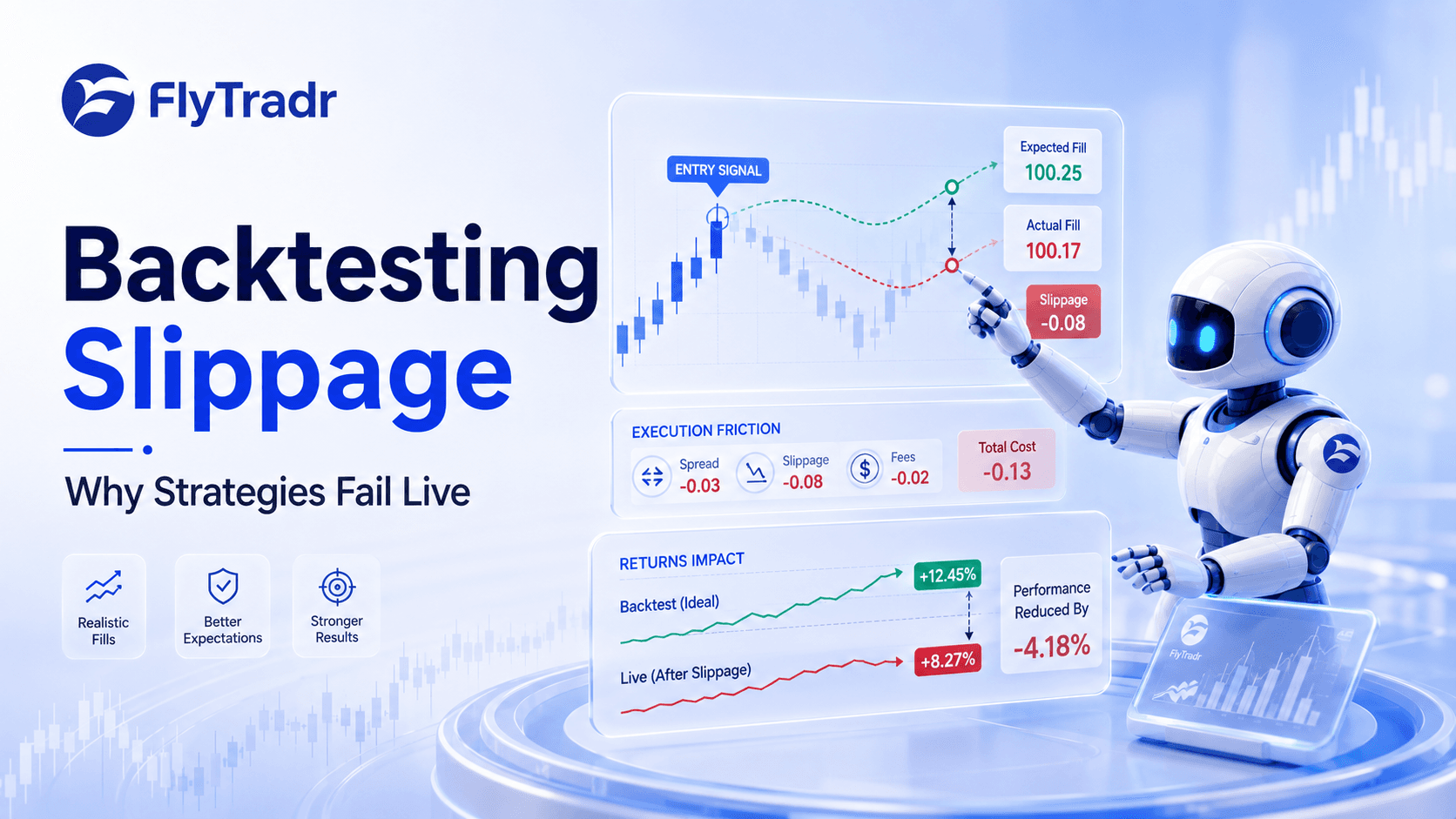
Transaction costs can turn a profitable backtest into a losing strategy. Learn how to accurately model fees, spreads, slippage, and latency before you trade.

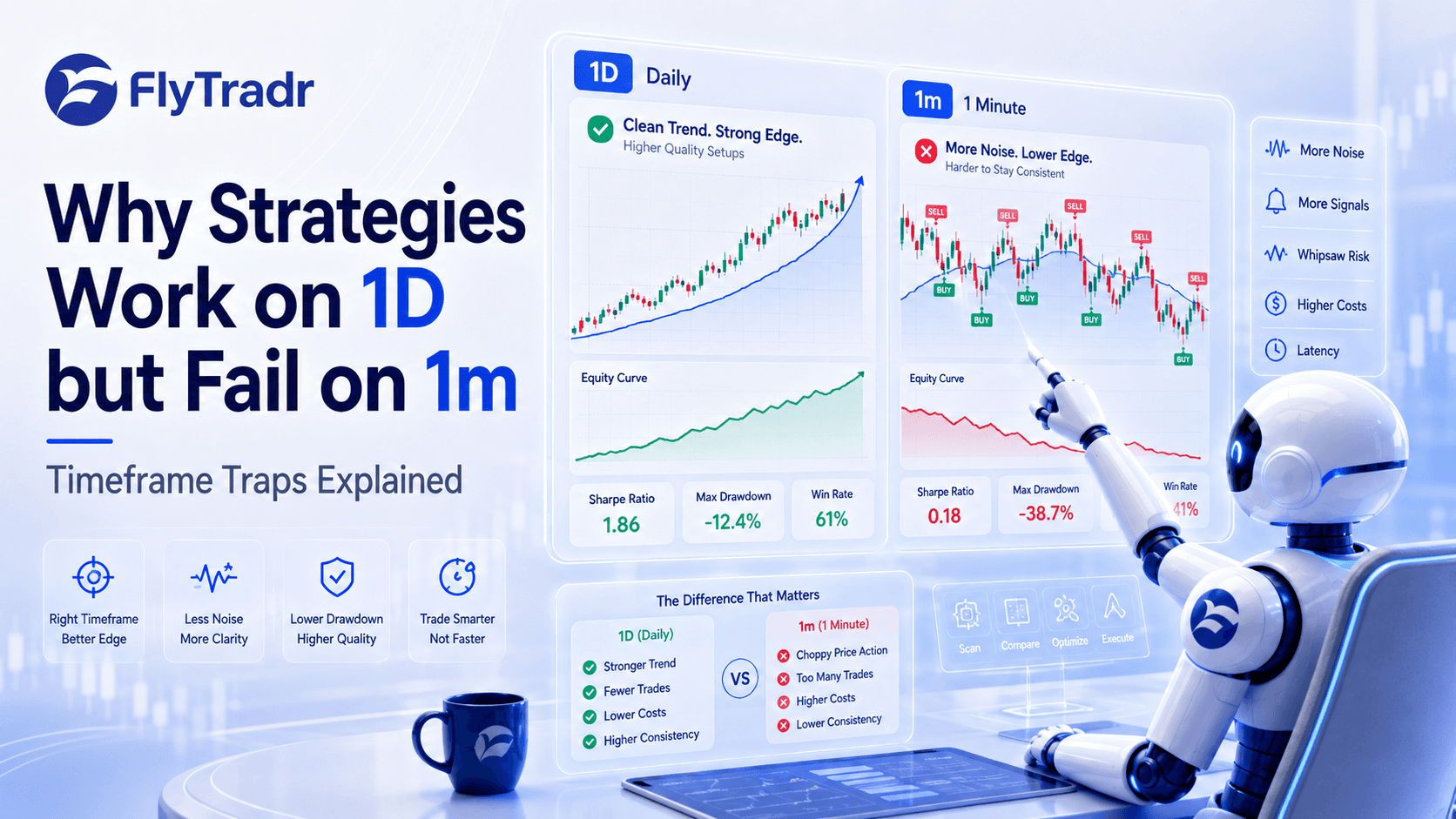
Your strategy backtests beautifully on daily charts but collapses on 1-minute data. Learn why timeframe matters and how to avoid the most common timeframe traps.


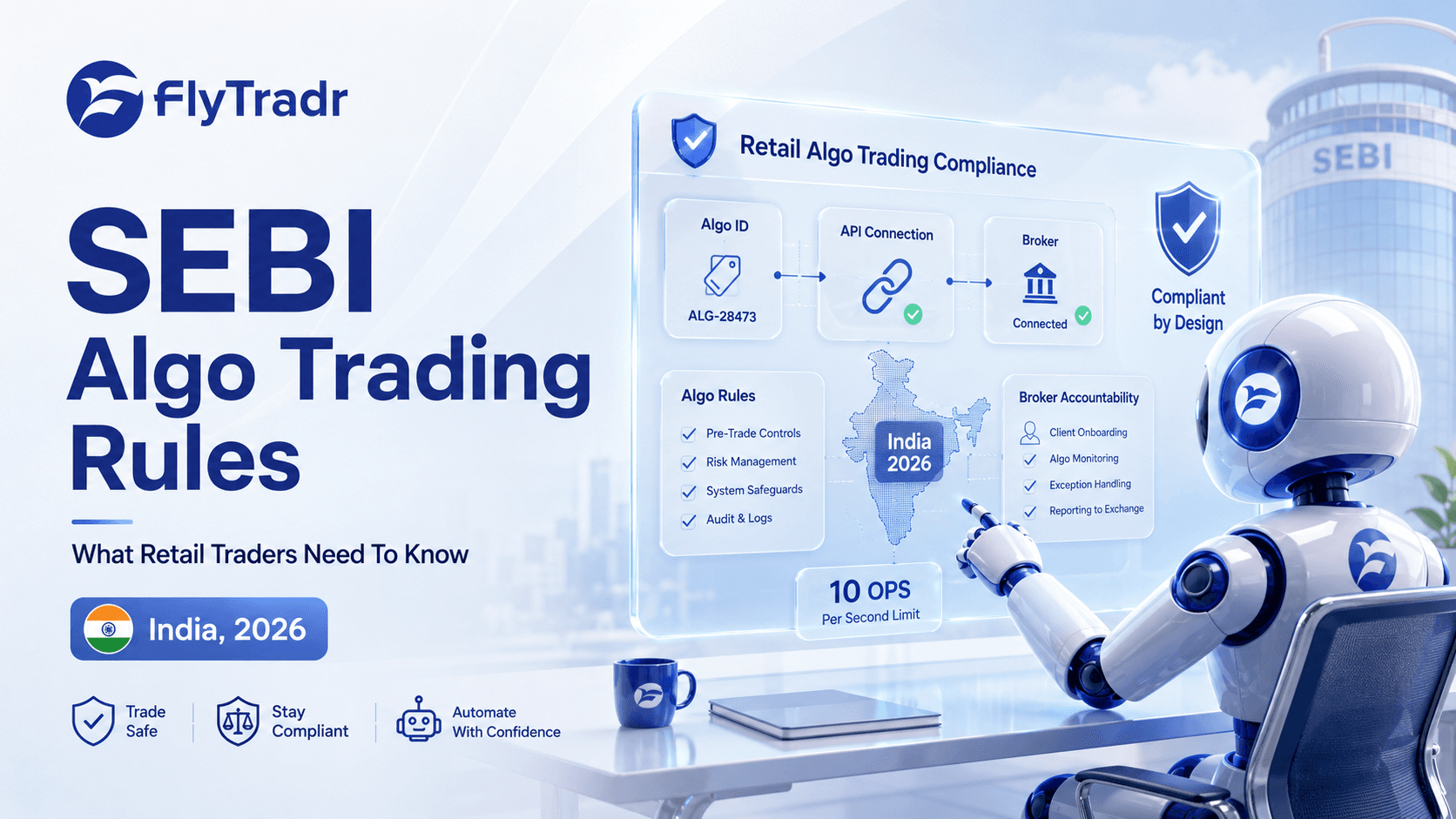
SEBI's algorithmic trading framework became mandatory from April 2026. Here is what the new rules actually mean for retail traders who want to automate their strategies in India.


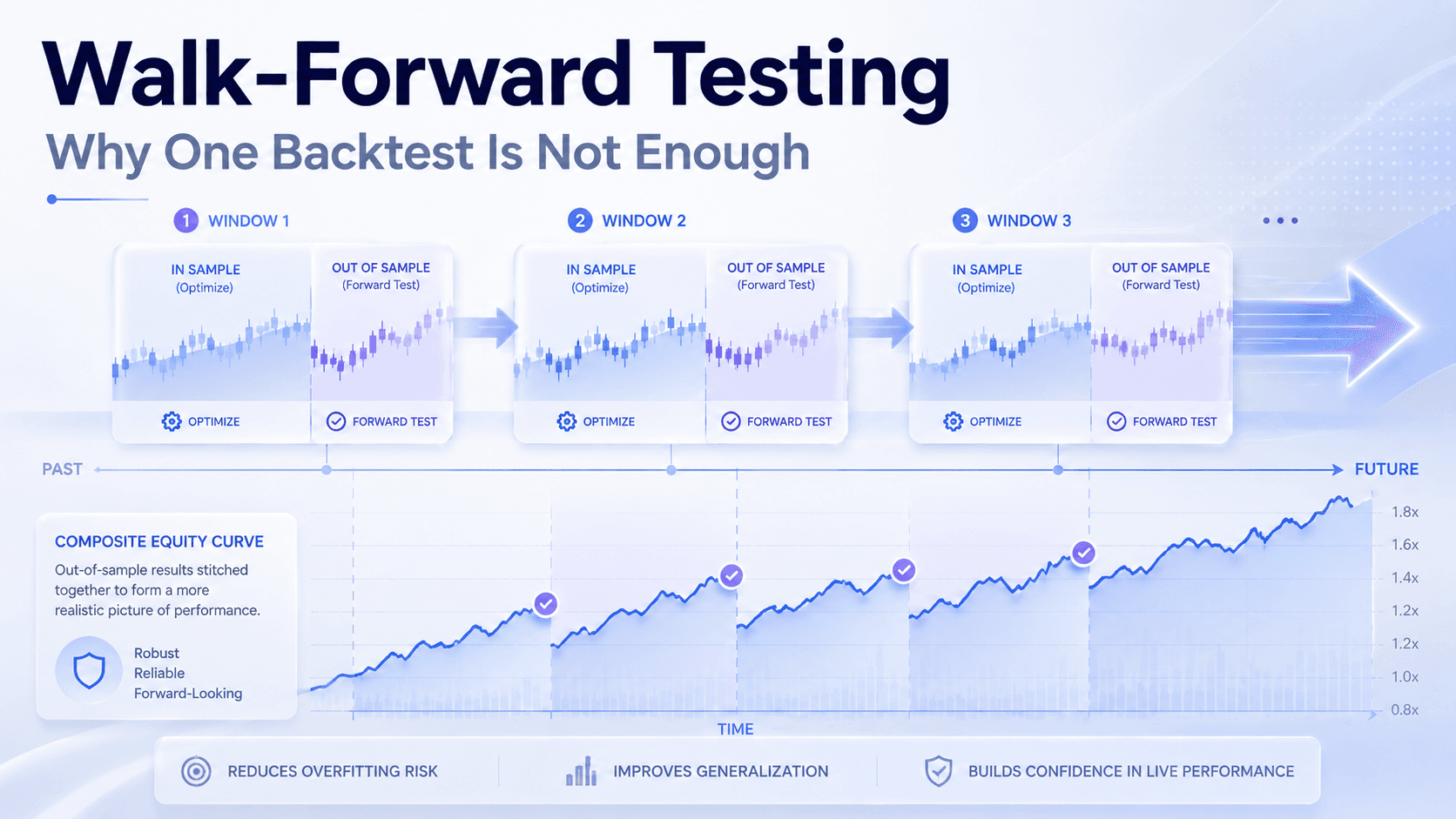
A single backtest tells you how a strategy would have performed on historical data. Walk-forward testing tells you something more useful: whether the strategy can adapt and remain profitable as market conditions change over time.


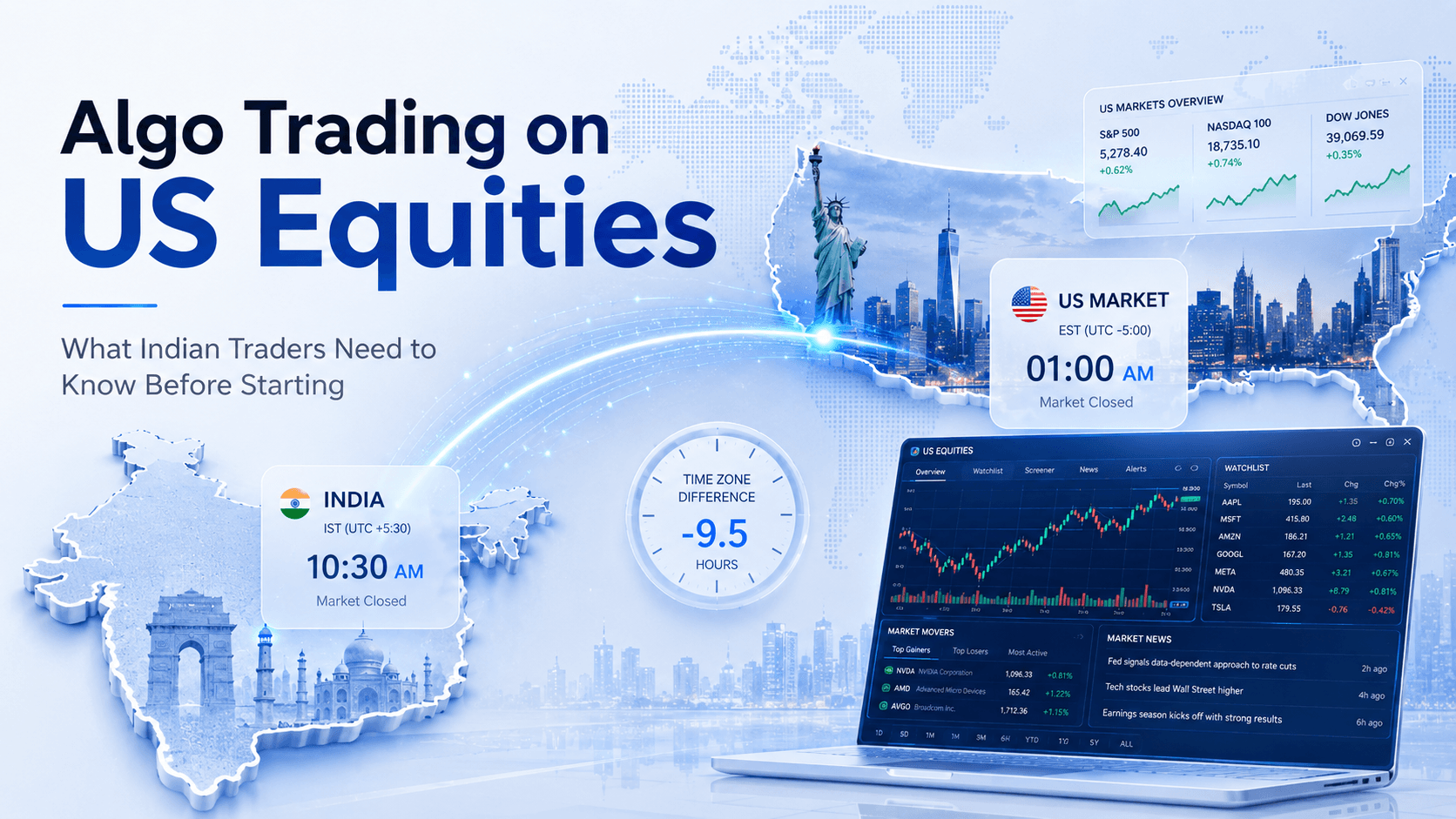
US equities are accessible to Indian retail traders through a growing number of platforms. But algo trading US markets from India comes with a distinct set of rules, constraints, and structural differences that are worth understanding before you start.


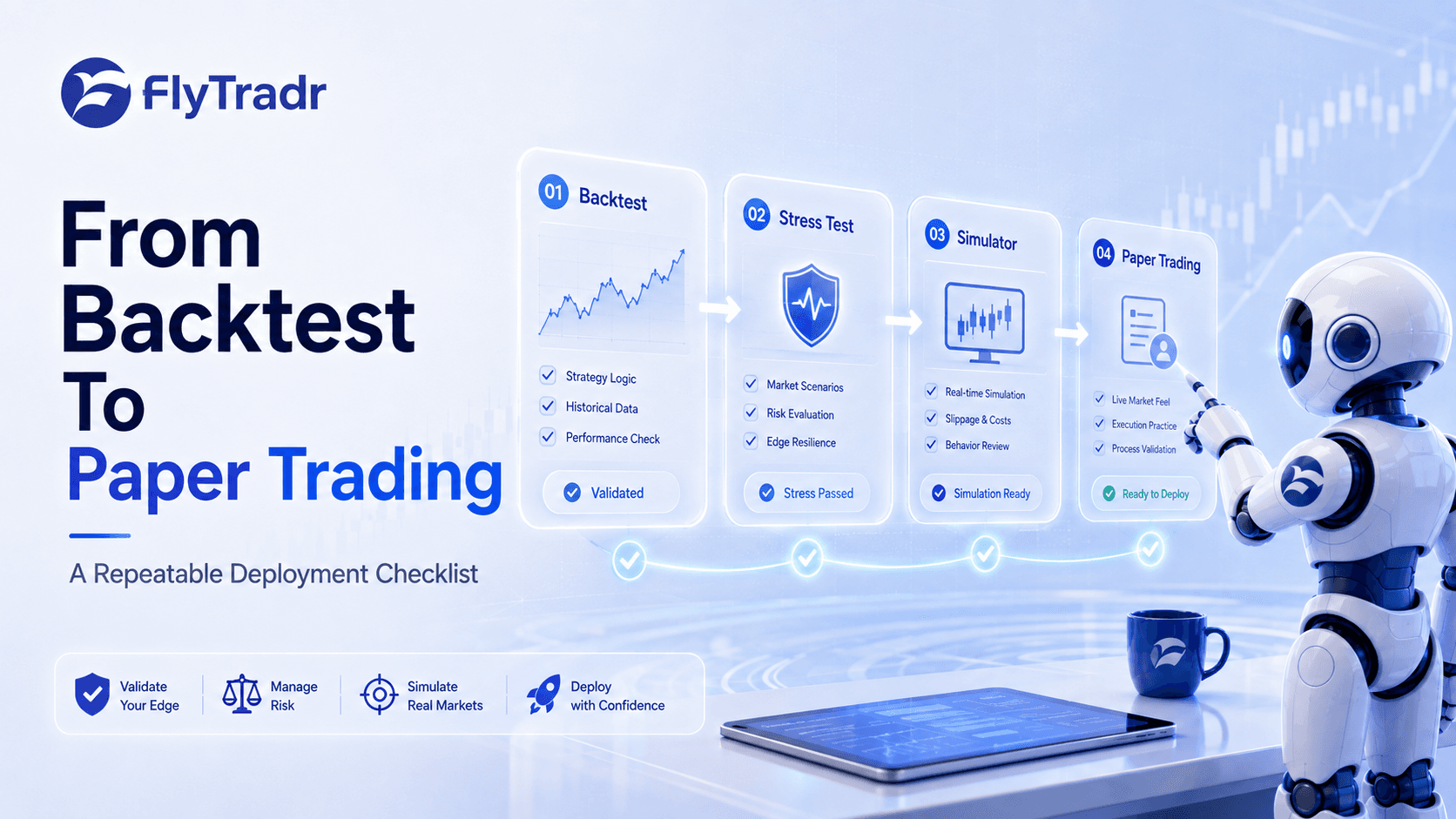
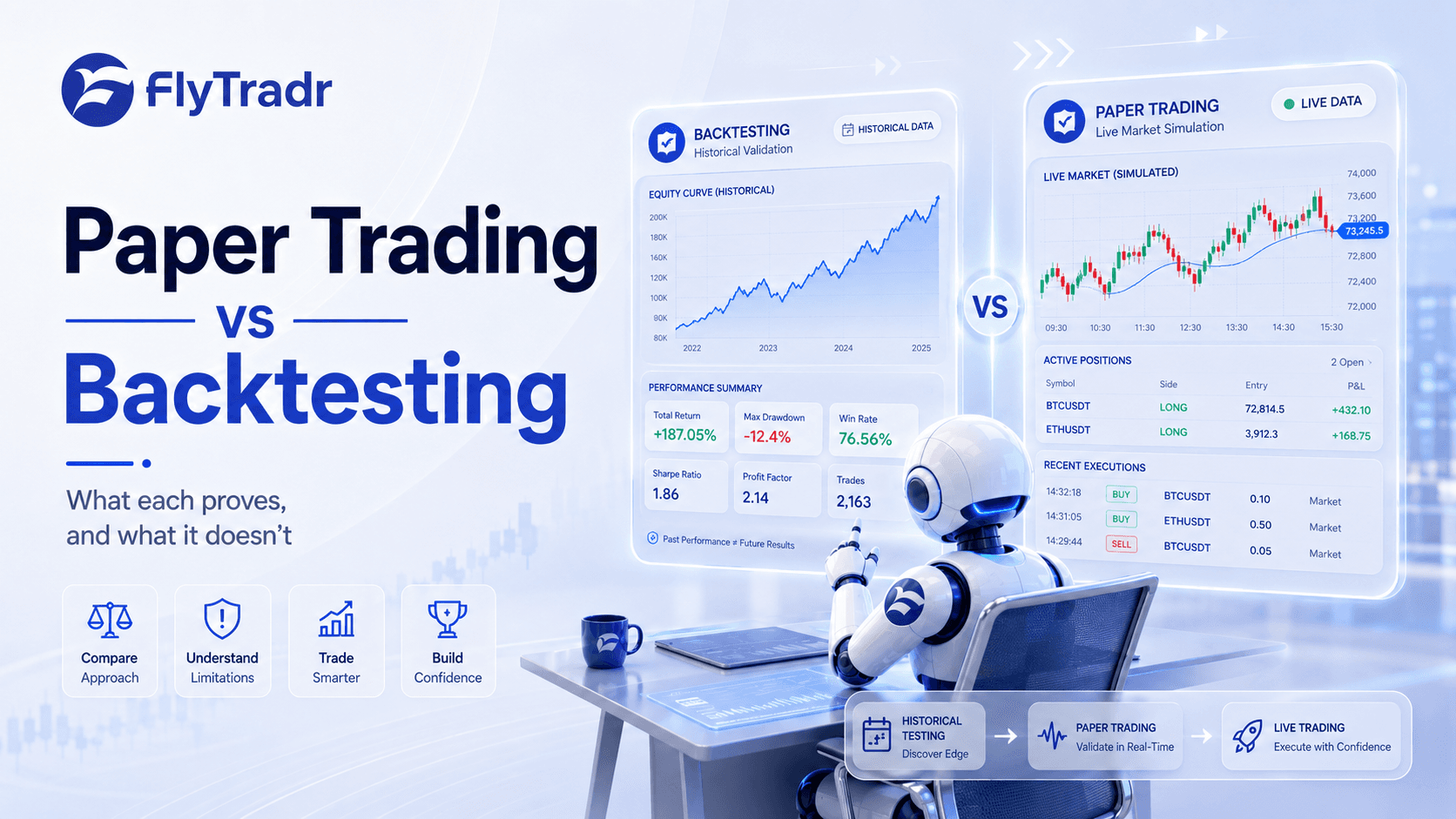
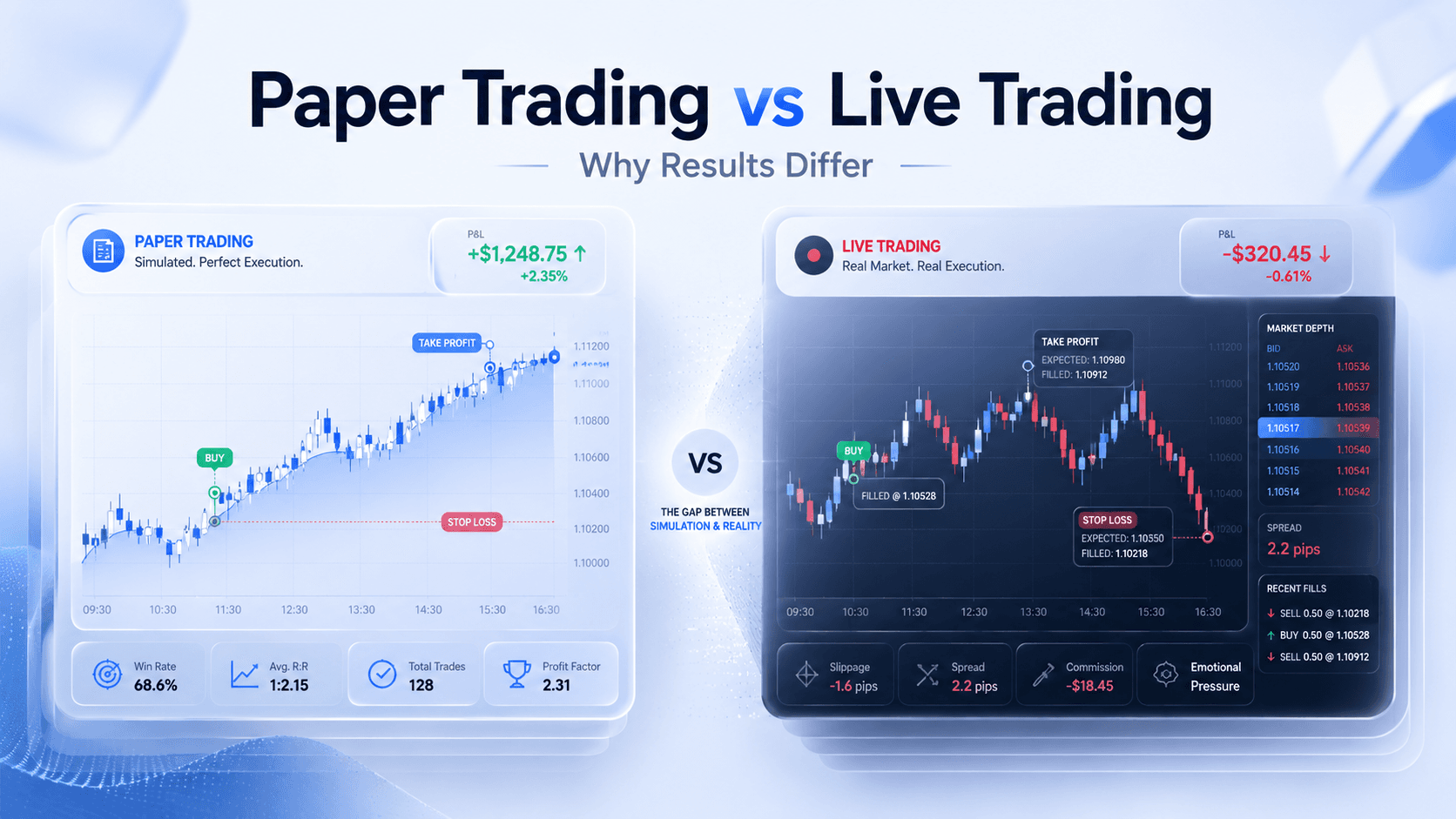
Paper trading is a critical step before going live with any automated strategy. But paper trading results and live trading results will always differ. Understanding why helps you use paper trading more intelligently and go into live trading with more realistic expectations.


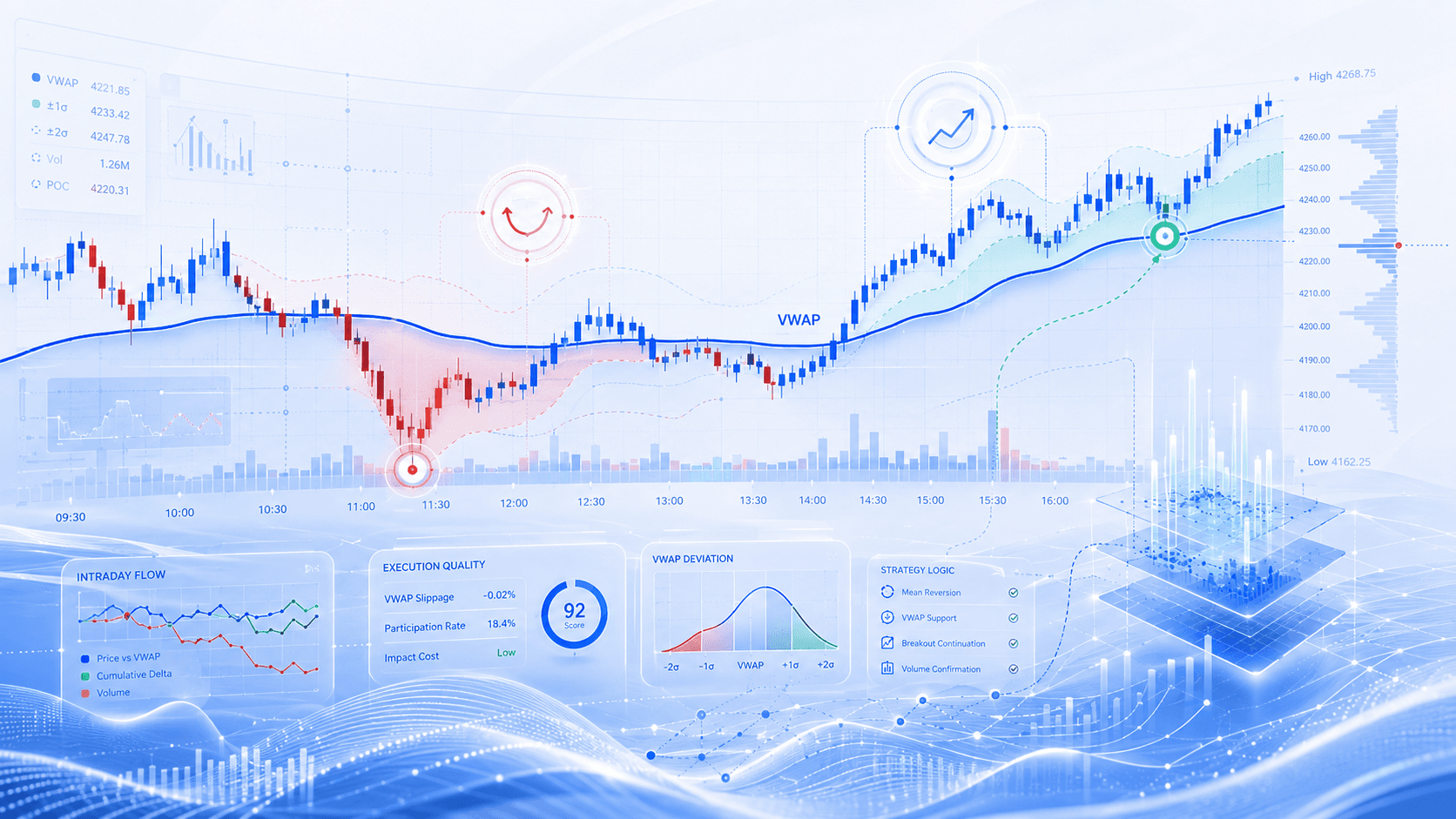
VWAP is one of the most widely used intraday benchmarks in institutional and retail trading. Here is what it actually measures, why it matters, and how to build systematic strategies around it.


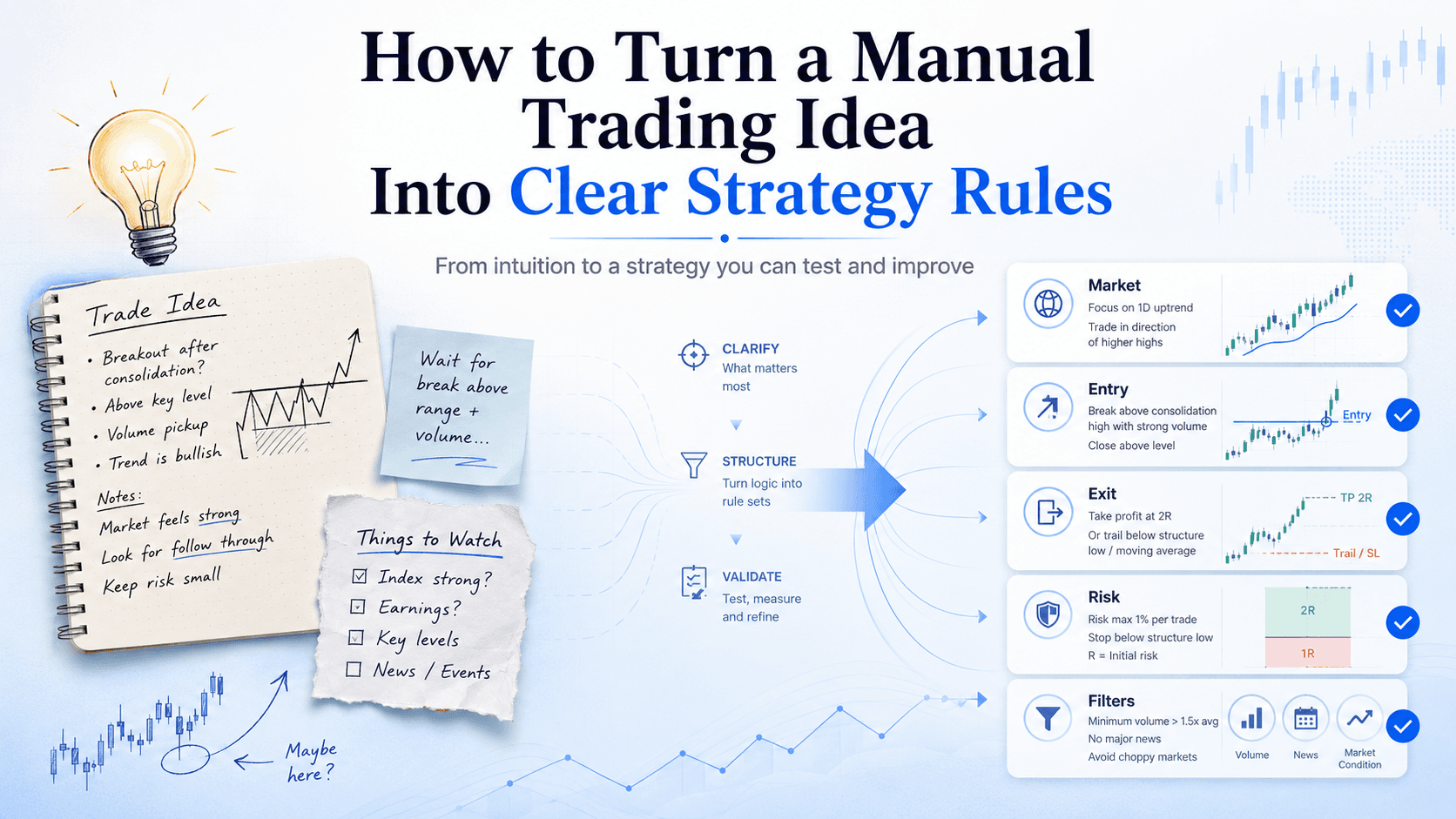
Before you can code or automate a trading strategy, you must define it. Discover how to turn raw manual trading ideas into systematic, rule-based logic.


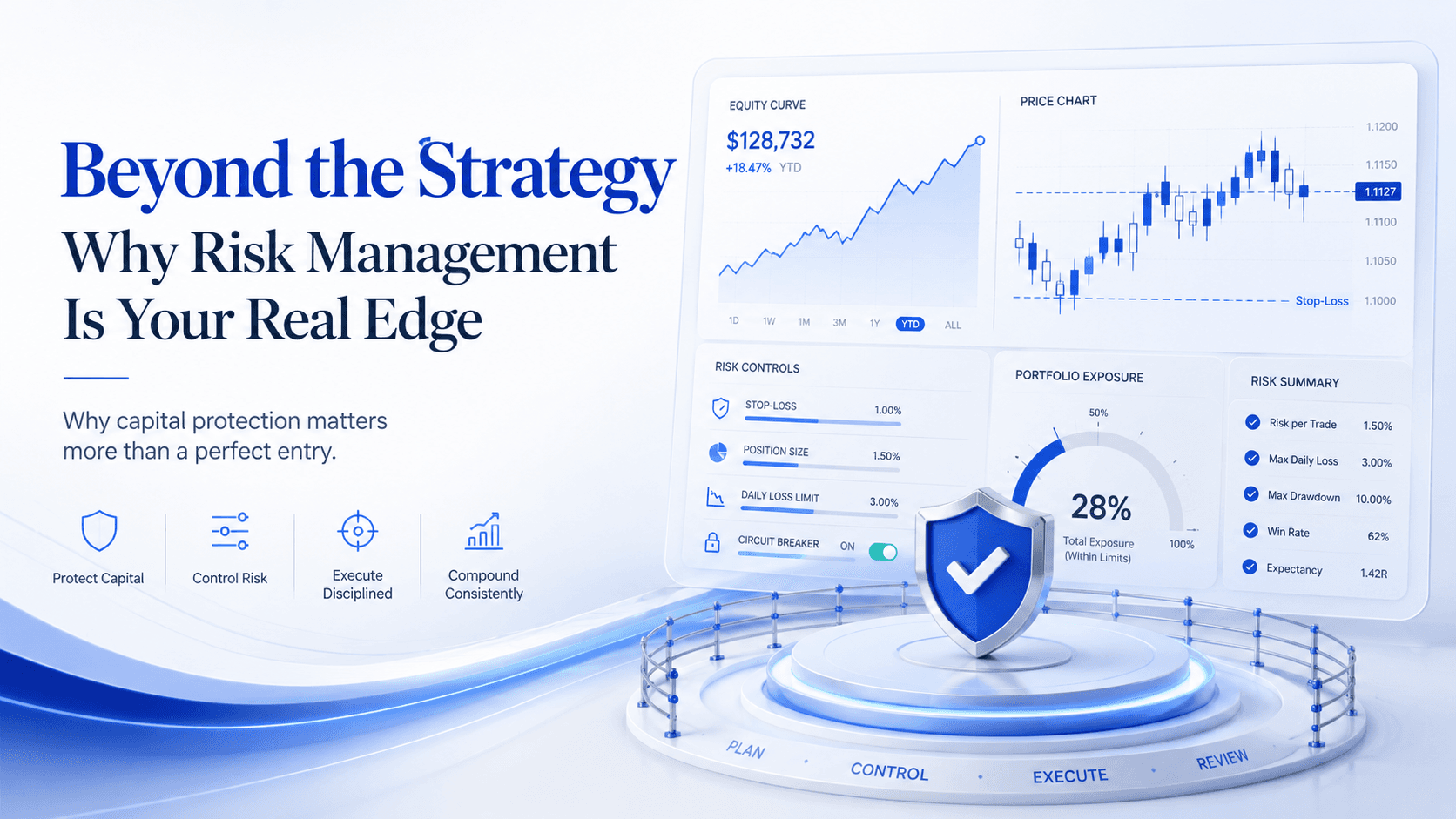
A trading strategy finds the opportunity, but risk management ensures you survive to profit from it. This guide breaks down the mathematical constraints and professional safeguards every algorithmic trader needs to automate their edge and navigate market volatility with precision.


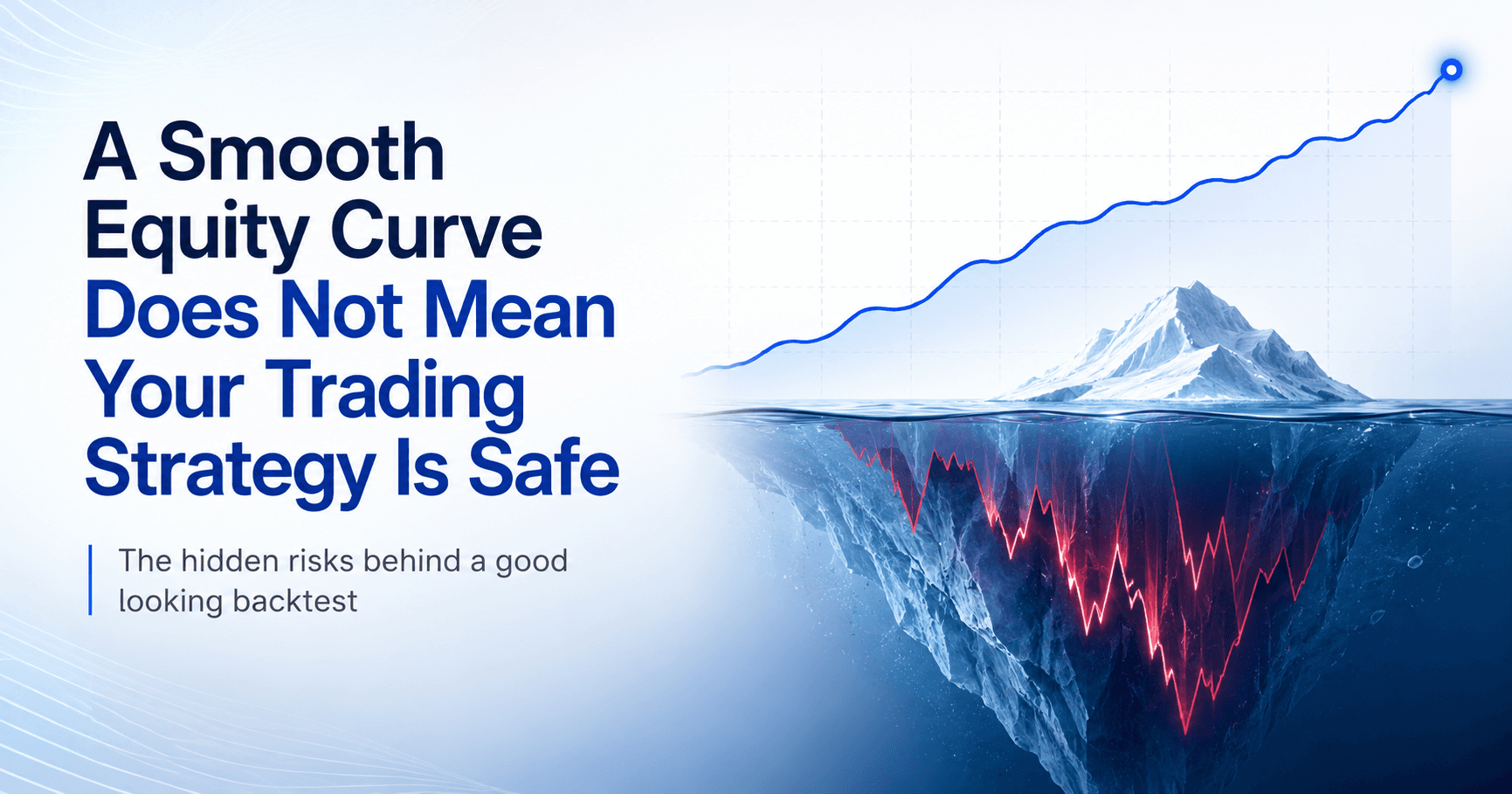
A smooth equity curve can make a trading strategy look safe, but it can hide weak assumptions, painful drawdowns, unrealistic costs, overfitting, and dependence on a few lucky trades. This article explains what traders should check before trusting a good looking backtest.


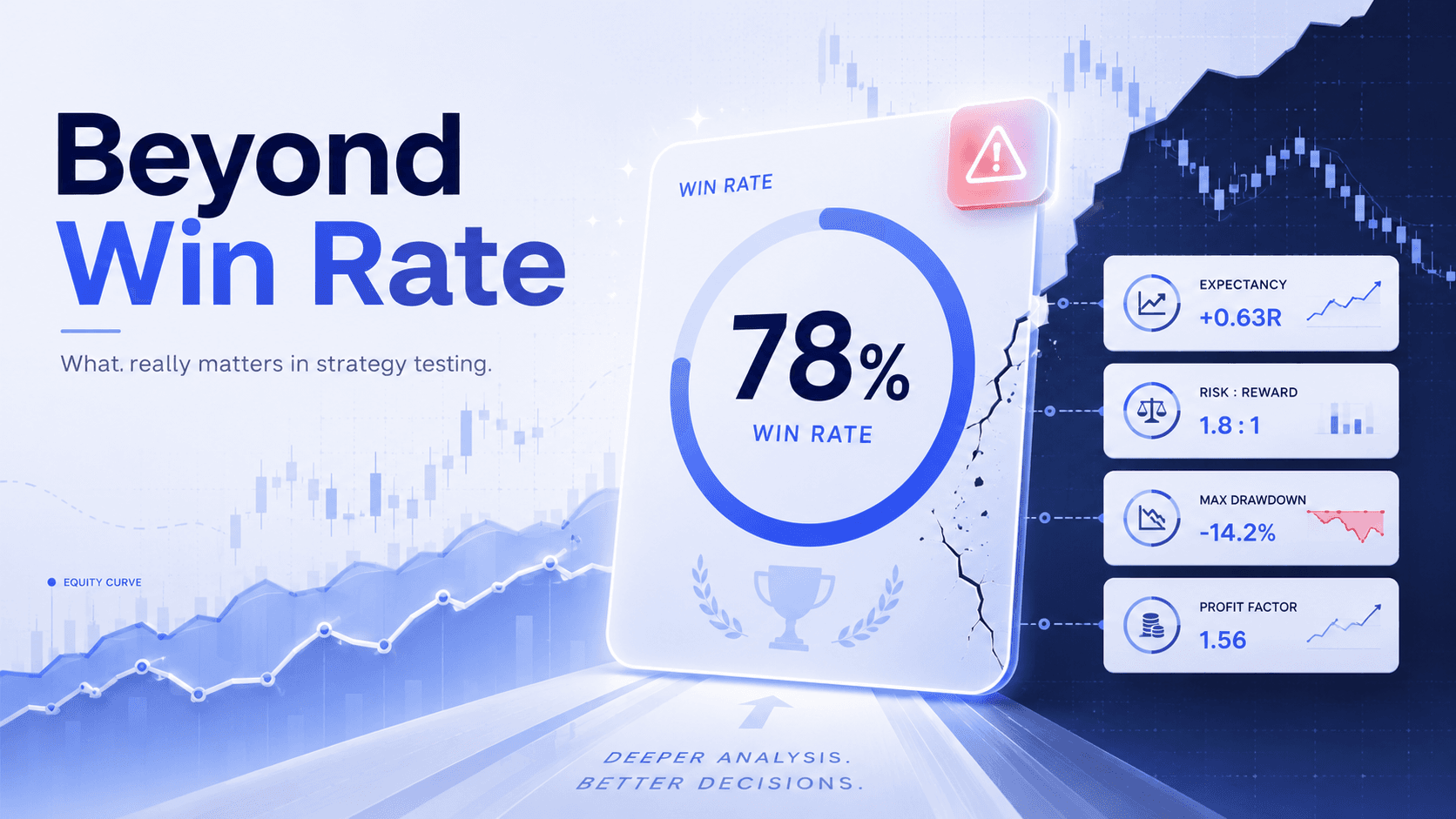
A high win rate can make a weak strategy look safe, but it doesn’t guarantee profit. This guide explores why professional traders focus on expectancy and risk-reward ratios to judge if a system actually has a mathematical edge


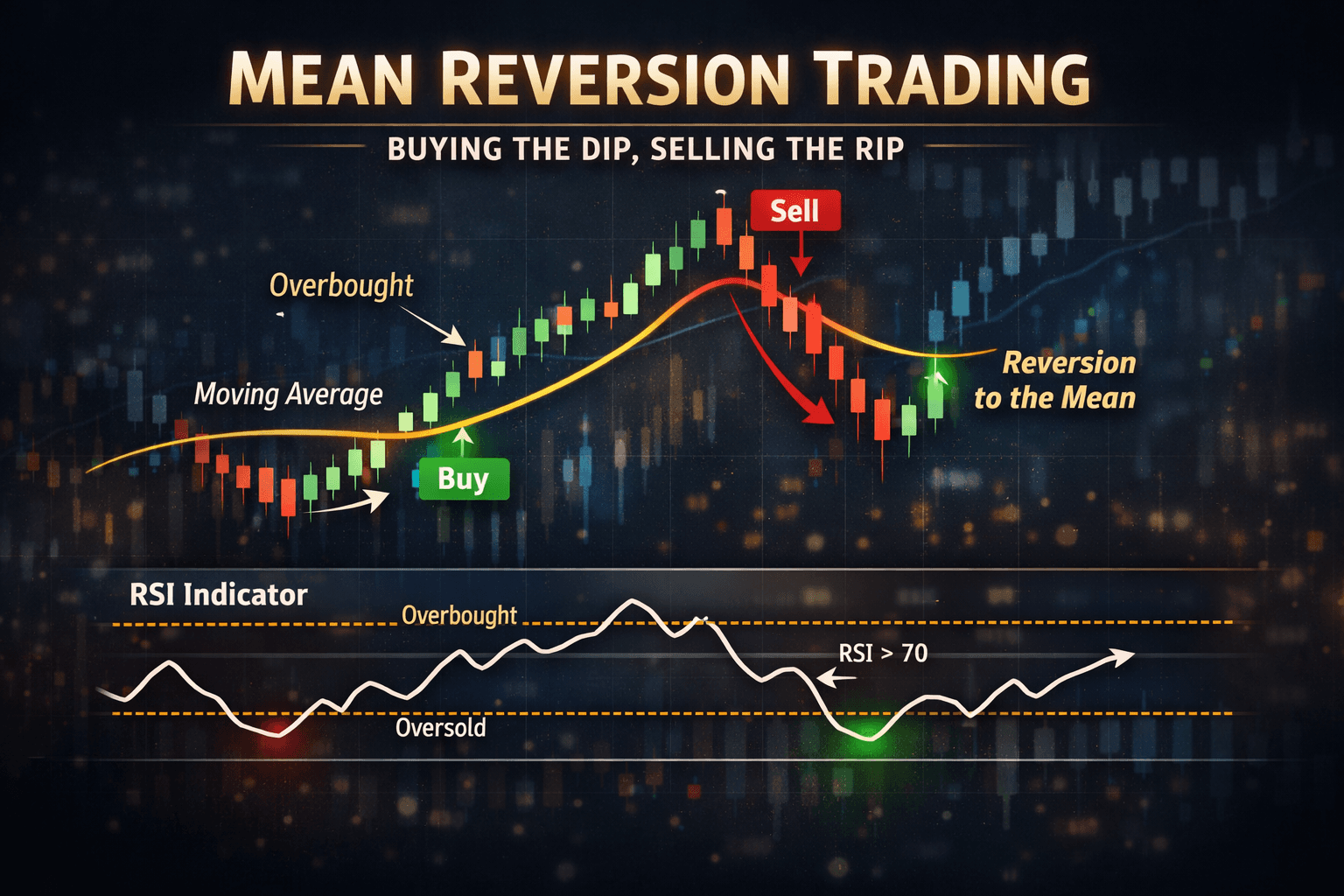
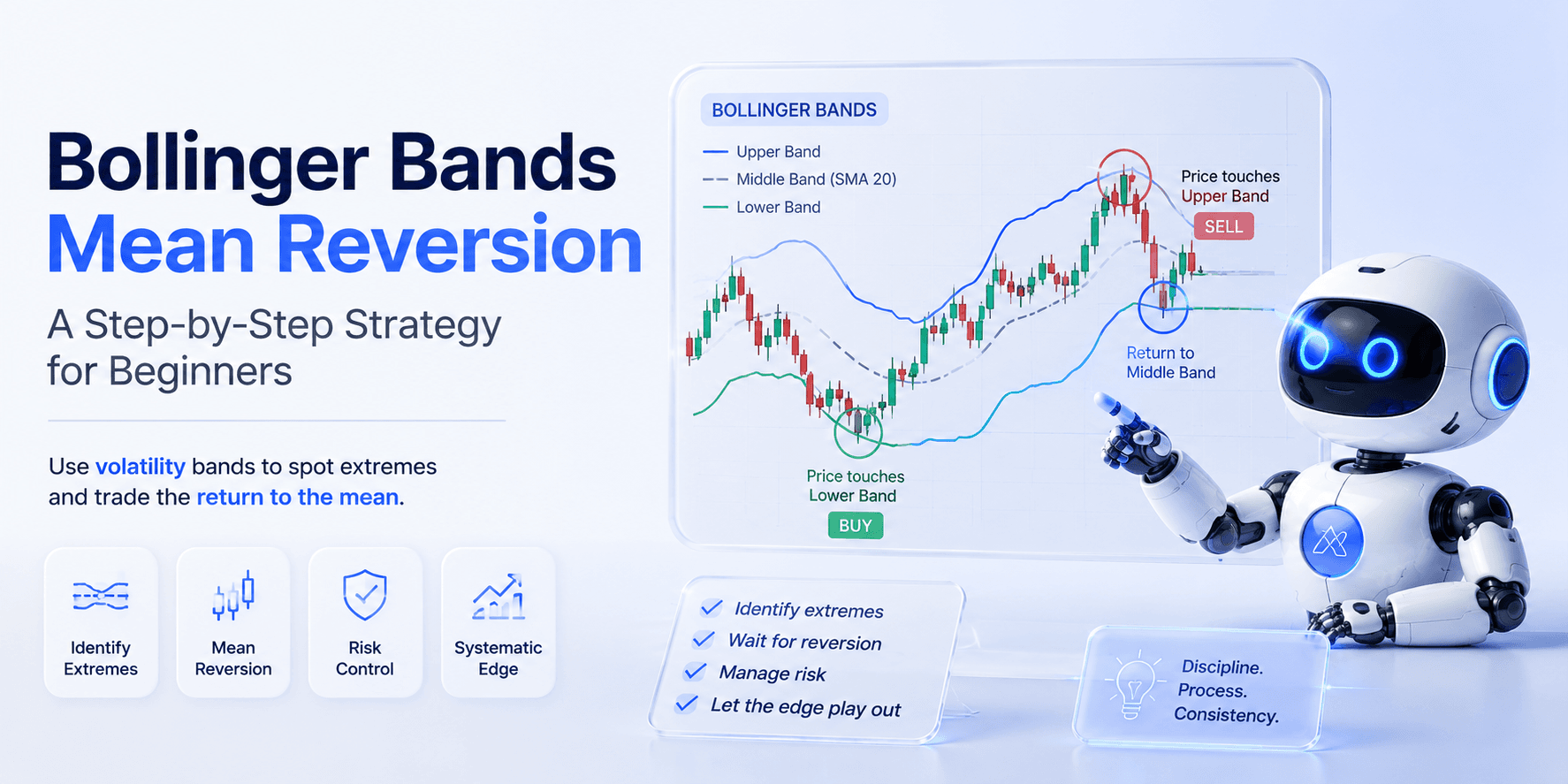
Mean reversion is built on a simple idea: prices that move too far from their average tend to come back. This guide explains how it works, where it fails, and how to build a practical RSI-based mean reversion strategy on FlyTradr—without writing code.

India now has over 17 crore demat accounts — but SEBI data shows 93% of active F&O traders still lose money. Here's what retail traders need to know before automating.

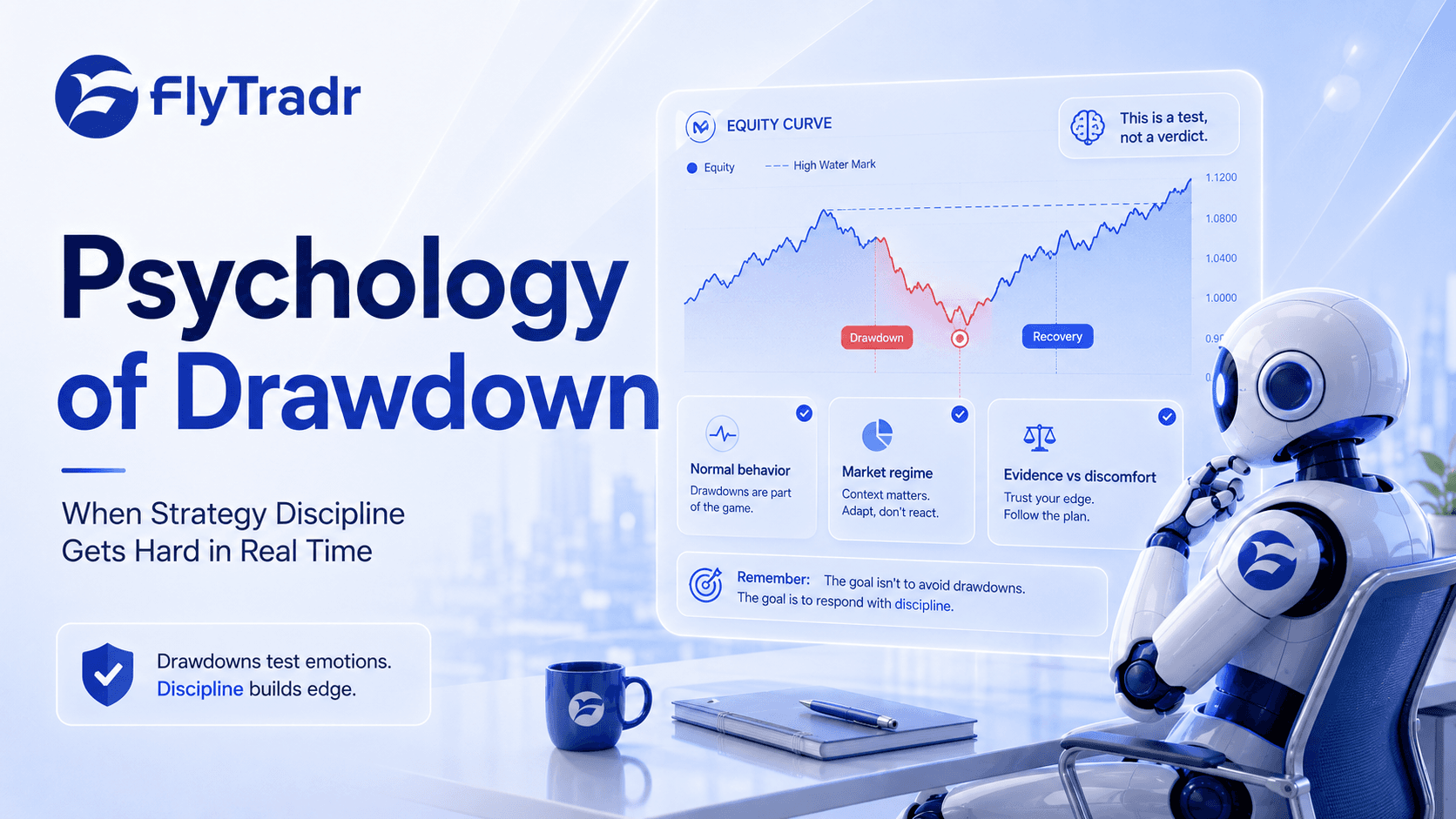
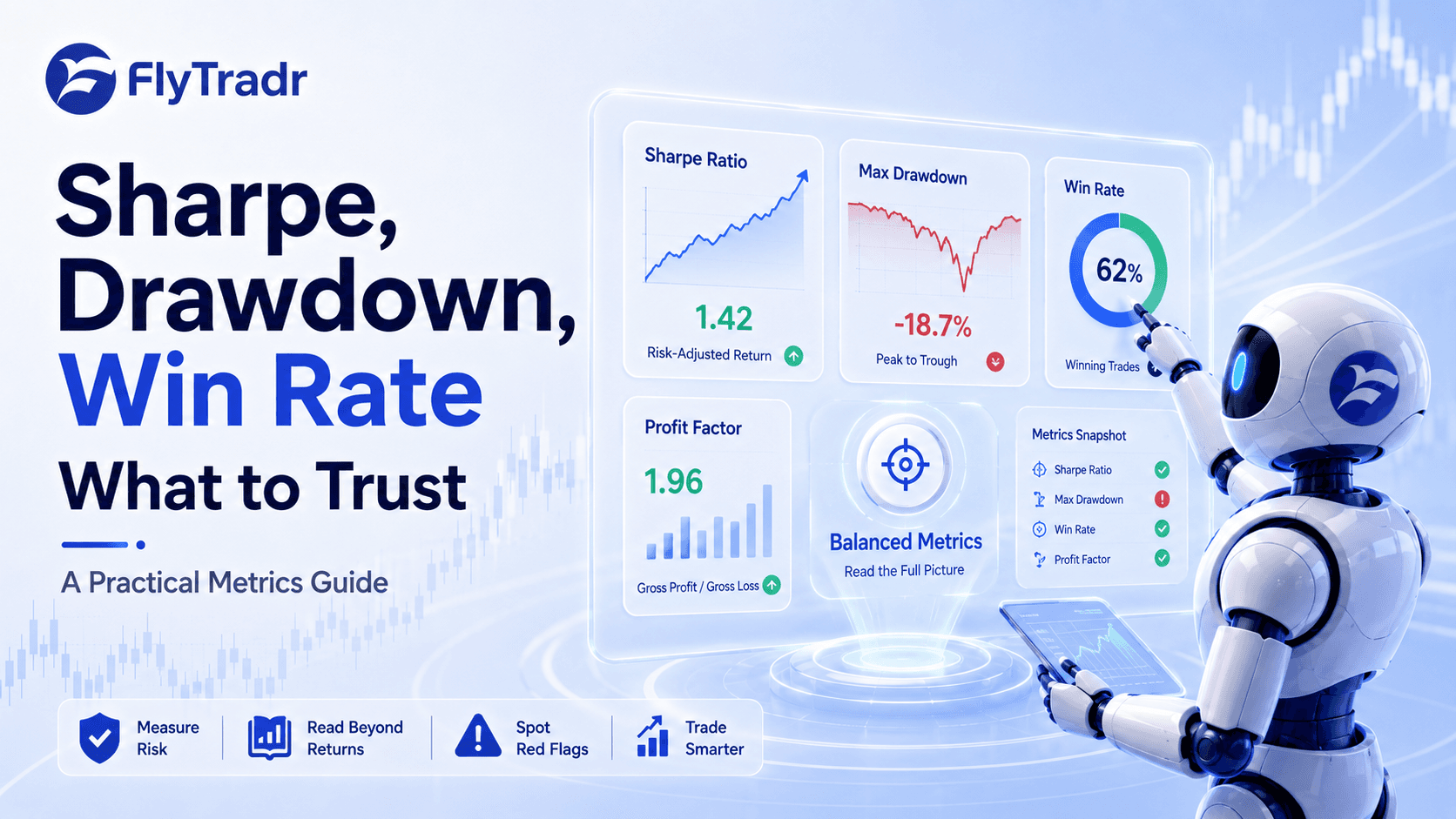
Most traders obsess over win rate. But drawdown is the number that will actually make or break your strategy — here's what it is and how to read it.

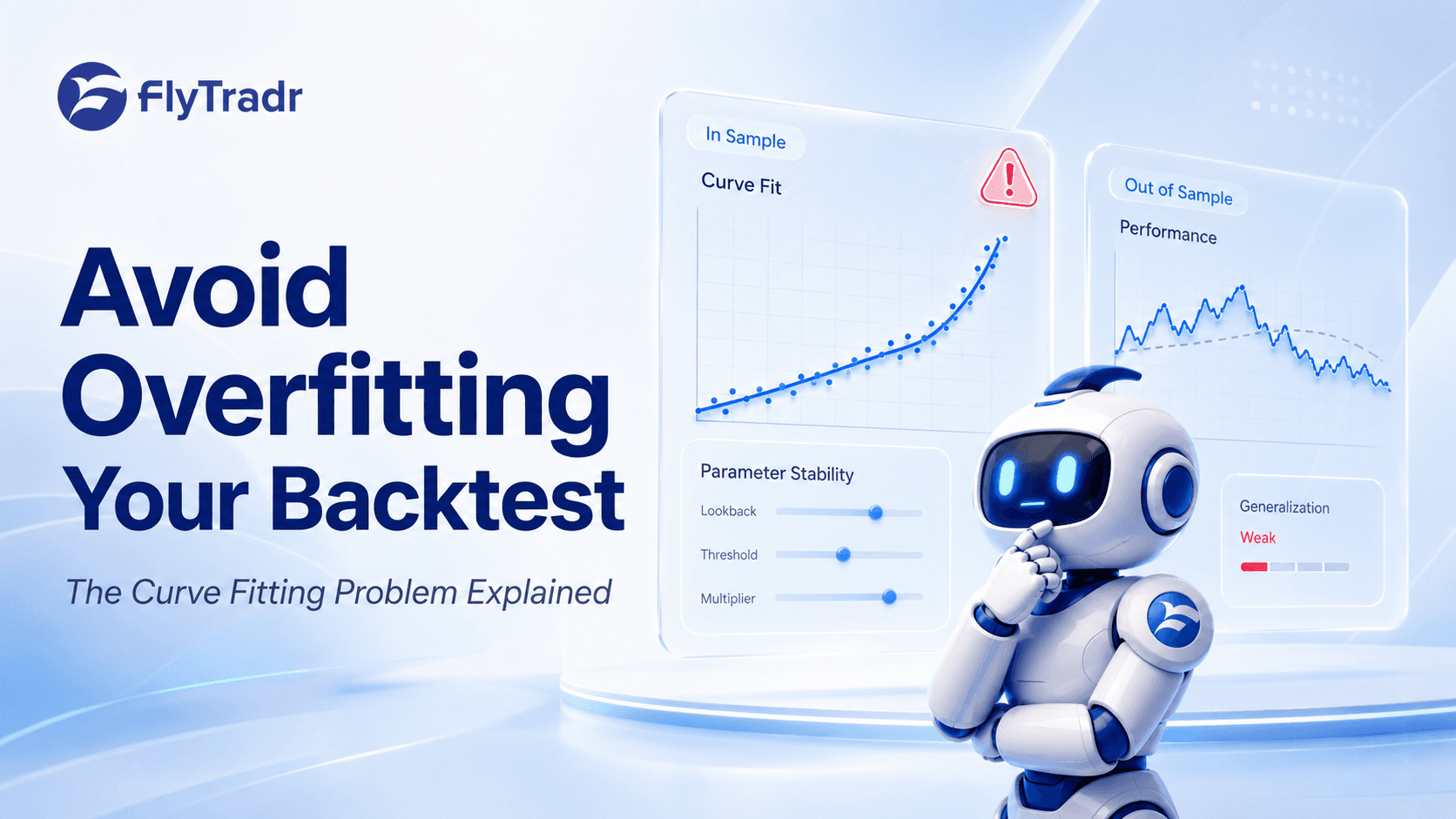
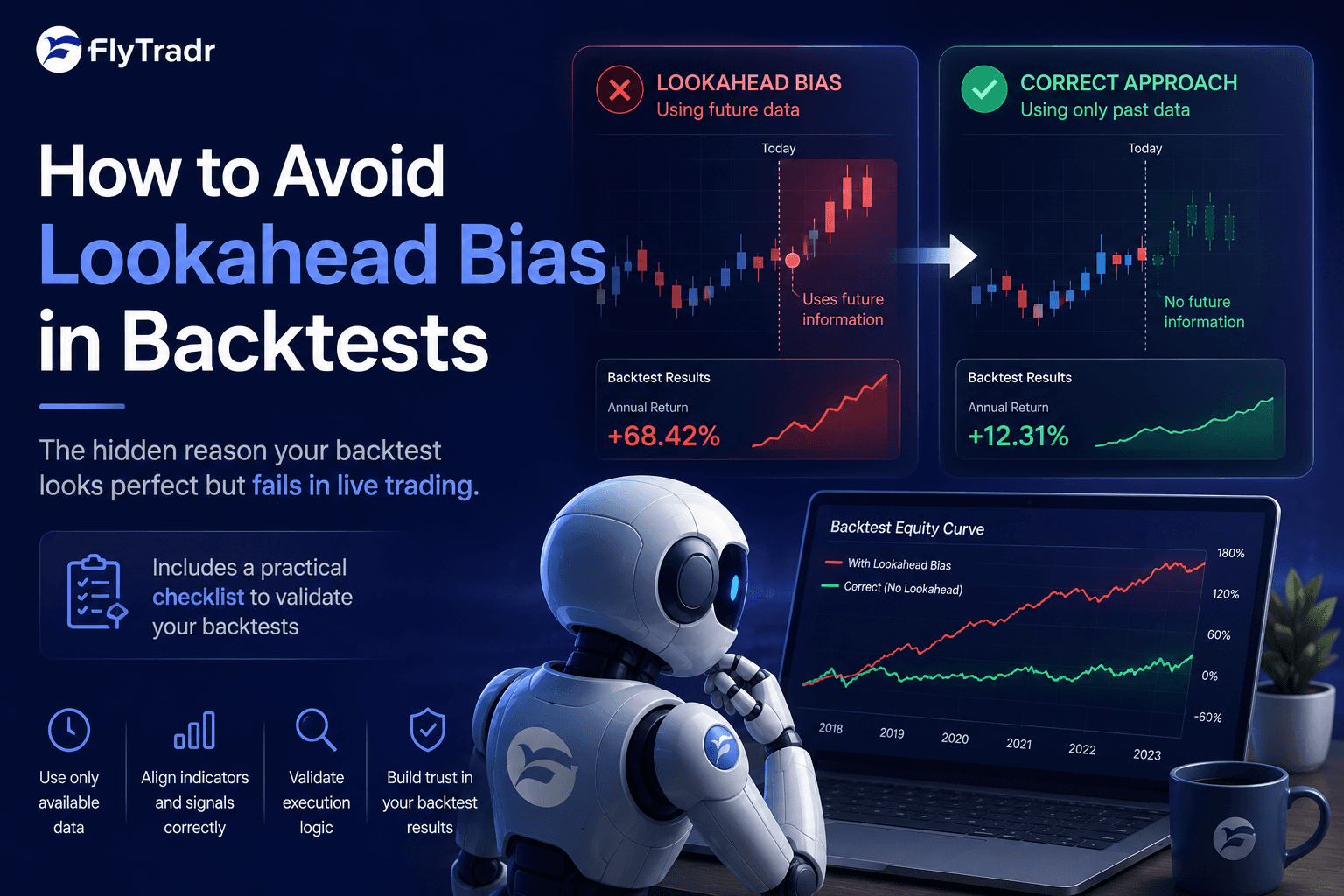
A great backtest doesn't guarantee a great strategy. Here's why backtests deceive even experienced traders — and what to do before you risk real capital.

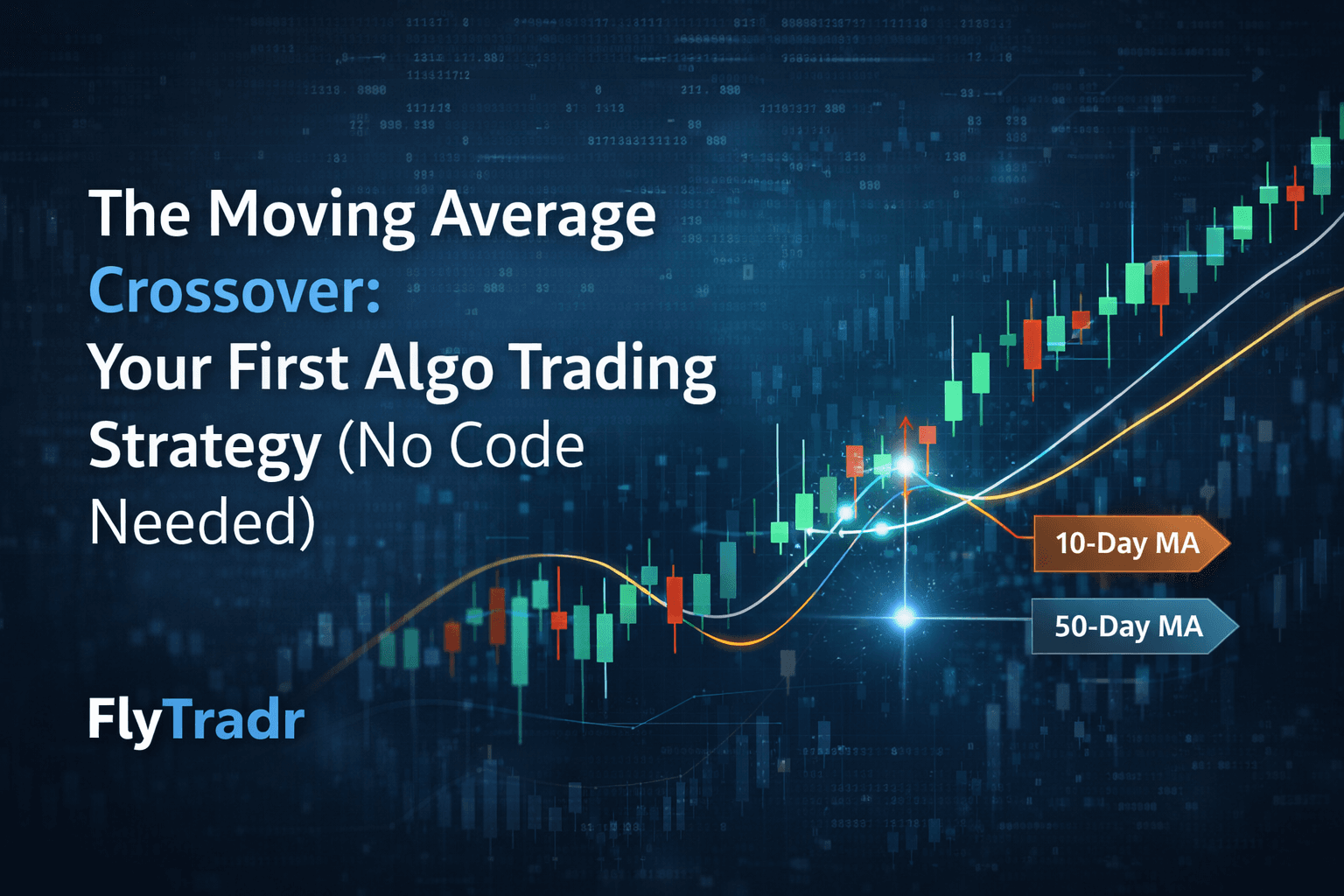
The moving average crossover is one of the oldest and most reliable patterns in trading — and it’s the perfect first algo strategy to build and test. Here’s how it works, why traders use it, and how to set it up on FlyTradr in minutes without writing a single line of code.
You have a trading idea but can't code. Learn how no-code strategy builders help you turn vague concepts into precise, testable rules without writing a single line of code.
Algorithmic trading isn't a get-rich-quick scheme. It's a systematic approach to trading that requires testing, discipline, and realistic expectations. Here's what you actually need to know.
FlyTradr is a new-age trading platform designed to simplify markets, empower traders, and bring creativity into the trading experience. In this first post, we share our story, why we started, and what we’re building.
Pick a pre-built strategy and run a sample backtest before creating an account.
Algo trading platform
Main product overview.
No-code algo trading
Visual strategy-building path.
Methodology & assumptions
How FlyTradr explains realism and limits.
How FlyTradr works
Public workflow explainer.
Security & reliability
Security and safeguards.
Broker integrations
Broker-connected workflow guidance.